Friday, February 11, 2011

LG Optimus 2X first encounter: How fast is Tegra 2?

Introduction

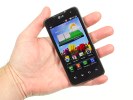
Surely 2011 will be remembered as the year that dual-core CPUs made their smartphone breakthrough. Here we have the LG Optimus 2X pioneer and we are rushing to give you a preview of what dual-core CPU has to offer to you today.

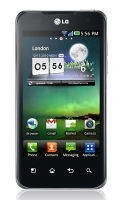
LG Optimus 2X official photos

It’s not one of our typical previews you will be seeing here – we are just going to focus on the performance of the Optimus 2X and hopefully, the Tegra 2 platform it pioneers. Normally, we avoid getting into details about the performance of non-retail units, but this one is so good that it will almost be unfair to save the praise.

But let’s first have a look at the key features of the LG Optimus 2X:

  • General: Quad-band GSM/GPRS/EDGE support; 3G with HSPA
  • Form factor: Touchscreen bar phone
  • Dimensions: 123.9 x 63.2 x 10.9 mm, 139 g
  • Display: 4" 16M-color TFT LCD capacitive touchscreen, 480 x 800 pixels
  • Platform: Dual-core 1GHz ARM Cortex-A9 proccessor, Ultra Low Power GeForce GPU, Tegra 2 chipset
  • OS: Android 2.2 (Froyo)
  • Memory: 8GB onboard storage, microSD card slot
  • Camera: 8 megapixel auto-focus camera with face detection and touch focus; 1080p video recording @ 24fps and 720p@30fps
  • Connectivity: Wi-Fi 802.11 b/g/n, Bluetooth 2.1 with A2DP, standard microUSB port, GPS receiver with A-GPS, 3.5mm audio jack, micro HDMI port
  • Misc: Adobe Flash 10.1 support, FM radio, accelerometer, proximity sensor, gyroscope, DivX and Xvid video support up to 1080p

It doesn’t take a specialist to recognize that the LG Optimus 2X is the most capable smartphone released to date. You could probably argue whether a Retina screen or a SuperAMOLED aren’t contributing more to the general user experience, but as far as smartphone tasks are concerned, the Tegra 2 is what you would want to have by your side.
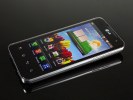
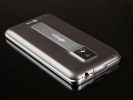
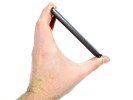
LG Optimus 2X LG Optimus 2X LG Optimus 2X LG Optimus 2X
LG Optimus 2X at ours

Of course, that is only valid if the dual-core baby performance cashes all the checks that the LG PR department wrote. Everyone wants to feel a noticeable improvement in performance and unless the Optimus 2X provides, the bubble might burst.

So let’s see what those benchmarks have to say about it. Join us after the break.

Samsung I9003 Galaxy SL review: Through different eyes

ntroduction

Success breeds imitation and we have the next Galaxy S remake to bear witness. But make no mistake about it – the Samsung I9003 Galaxy SL is not just another clone. This time changes aren’t just skin deep.


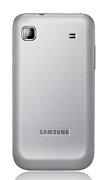
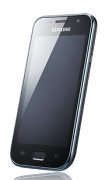
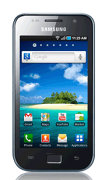
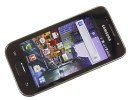
Samsung I9003 Galaxy SL official photos

We are talking a new screen, a new CPU and a different battery here. Although it’s actually hard to notice a difference on the outside, save for a slightly thicker body. Basically most of the internals have been replaced, which may have or may have not resulted in a significant change in the user experience.

Key features

  • Quad-band GSM and tri-band 3G support
  • 7.2 Mbps HSDPA and 5.76 Mbps HSUPA support
  • 4" 16M-color Super Clear LCD capacitive touchscreen of WVGA (480 x 800 pixel) resolution
  • Slim 10.9mm profile
  • 1GHz Cortex A8 CPU, PowerVR SGX530 GPU, TI OMAP 3630 chipset; 478MB of RAM available to the user
  • 5 MP autofocus camera with face, smile and blink detection
  • 720p HD video recording at 30fps
  • Wi-Fi 802.11 b, g and n support
  • GPS with A-GPS connectivity; Digital compass
  • 16GB internal storage, microSD slot
  • Accelerometer and proximity sensor
  • Standard 3.5 mm audio jack
  • Secondary video-call camera
  • microUSB port (charging) and stereo Bluetooth v3.0
  • Android OS v2.2 (Froyo) with TouchWiz UI customization
  • FM radio with RDS
  • Adobe Flash 10.1 support for the web browser
  • Document editor
  • File manager comes preinstalled
  • Samsung Apps brings a few nice apps for free
  • Battery has increased capacity (1650 mAh) over the original Galaxy S (1500 mAh)

Main disadvantages

  • Super Clear LCD is somewhat inferior to SuperAMOLED
  • Camera lacks flash
  • No dedicated camera key
  • The all-plastic body is a real fingerprint magnet
  • Feeble loudspeaker
  • Increased thickness (10.6mm), height (123.7mm) and weight (131 g) compared to the original Galaxy S (9.9mm, 122.4mm and 119 g)
  • Less capable GPU compared to the original Galaxy S

The Samsung I9003 Galaxy SL is a victim of timing. It couldn’t have been less fortunate to follow in the footsteps of the original Galaxy S – knowing it will never be able to catch up. At least Samsung should know perfectly well what to expect.

This is not the first flagship they’re forced by circumstances to replace. Much like the S8530 Wave II, the I9003 is more of a substitute, rather than an upgrade. You can think of the I9003 SL as a way to make sure there will be enough AMOLED panels for the Galaxy S2 without the need to discontinue the original Galaxy S altogether.

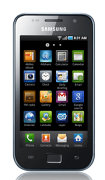
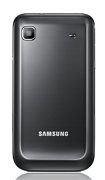
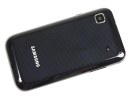
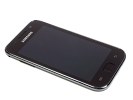
Samsung I9003 Galaxy SL Samsung I9003 Galaxy SL Samsung I9003 Galaxy SL
Samsung I9003 Galaxy SL at ours

The AMOLED shortage is to be felt for at least another while and Samsung are trying hard to work their way around it. We’ll have to see how this next attempt plays out. The I9003 has many people to convince that it’s a good enough replacement. Users have every right to be skeptical. It will take a good deal of persuasion to keep them from spending their cash elsewhere.

So let’s see if there’s life after SuperAMOLED for the Galaxy SL.

LinkWithin